
Rwanda’s National Strategy for Transformation (NST2) outlines an ambitious path toward inclusive development, aiming to create meaningful careers, expand exports, improve public services, and achieve upper-middle-income status by 2035 and high-income status by 2050. To reach this goal, Rwanda must create the conditions for large-scale industrial growth that is both competitive and sustainable.
One promising solution lies in nuclear cogeneration, a technology that produces both electricity and usable heat from a single fuel source. This is a game-changer for countries like Rwanda, where industries need both stable electricity and affordable heat to grow.
What Is Cogeneration and Why It Matters for Rwanda
Cogeneration, especially when combined with colocation, where the power plant is built next to or within industrial zones, allows for the efficient use of nuclear energy to supply both power and heat directly to factories, hospitals, or other facilities. Instead of wasting the heat typically lost in power generation, this approach puts it to productive use.
Today, Rwanda’s manufacturing sector is held back by unreliable electricity and dependence on fossil fuels for industrial heat, which drive up costs and carbon emissions. As a result, many factories cannot operate at full capacity, limiting job creation and slowing national development.
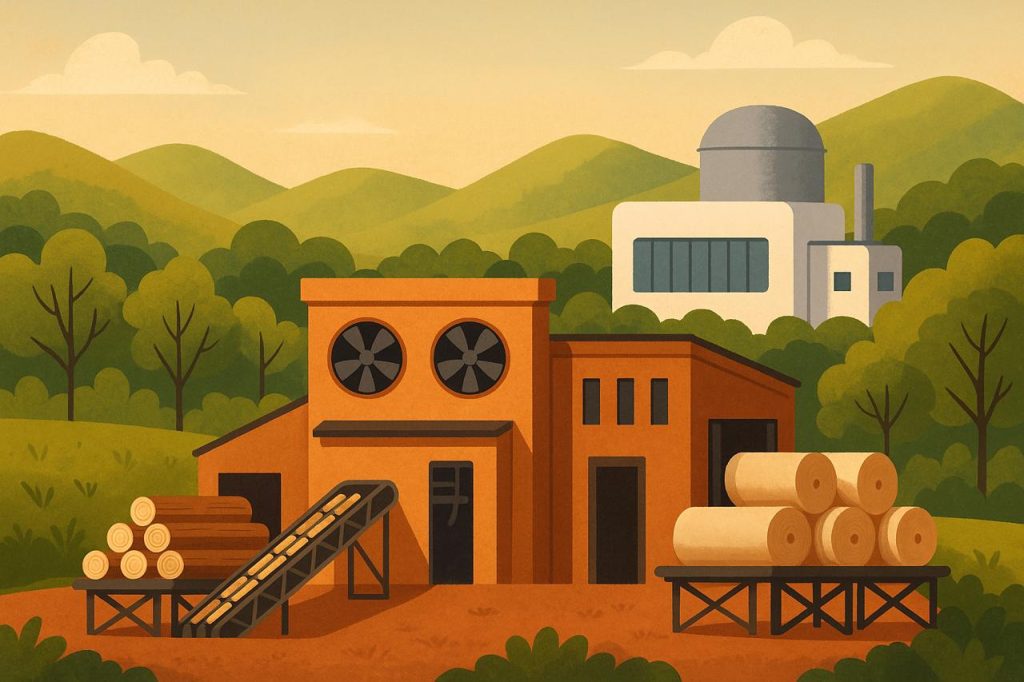
By colocating nuclear cogeneration plants with high-heat industries, such as sugar production, agro-processing, and paper manufacturing, factories can run 24 hours a day with a clean, consistent supply of both electricity and heat. This not only boosts industrial productivity but does so in a way that is climate-resilient and forward-looking.
Why Nuclear Cogeneration Is a Good Idea for Rwanda
Here are just a few of the reasons Rwanda should lead on nuclear cogeneration:
- Increased Energy Efficiency: Cogeneration can exceed 80 percent efficiency, which is far higher than traditional methods that generate electricity and heat separately. That means more energy from each unit of fuel.
- Lower Costs: By producing both heat and power on-site, industries can reduce operating expenses and pass those savings on to consumers.
- Decarbonization: Nuclear cogeneration allows industries to eliminate fossil fuels from their heat supply, significantly cutting greenhouse gas emissions and supporting Rwanda’s climate goals.
- Reduced Transmission Losses: Colocated power avoids the need to transport energy over long distances, helping reduce infrastructure strain and making the most of each investment.
A Vision for a Prosperous, Carbon-Free Rwanda
Reaching high-income status is about more than just GDP. It is about providing a high quality of life, meaningful employment, and clean air for all Rwandans. This vision demands bold energy solutions that match the scale of the challenge.
Nuclear cogeneration provides exactly that. It is not just about clean power. It is about powering a new industrial era in Rwanda with affordable, local, and carbon-free heat. It positions Rwanda to become energy-independent, reduce costly imports, and empower local industries to compete on a global scale.
What ideas do you have for nuclear cogeneration in Rwanda?
2 Responses
This is a cool idea. When you say agro-processing, could we use this technology to dry tea leaves as well as create electricity?
Cogeneration could be the missing link for Rwanda’s industrial transformation.